Croydon Council rules gardeners need to know in Purley
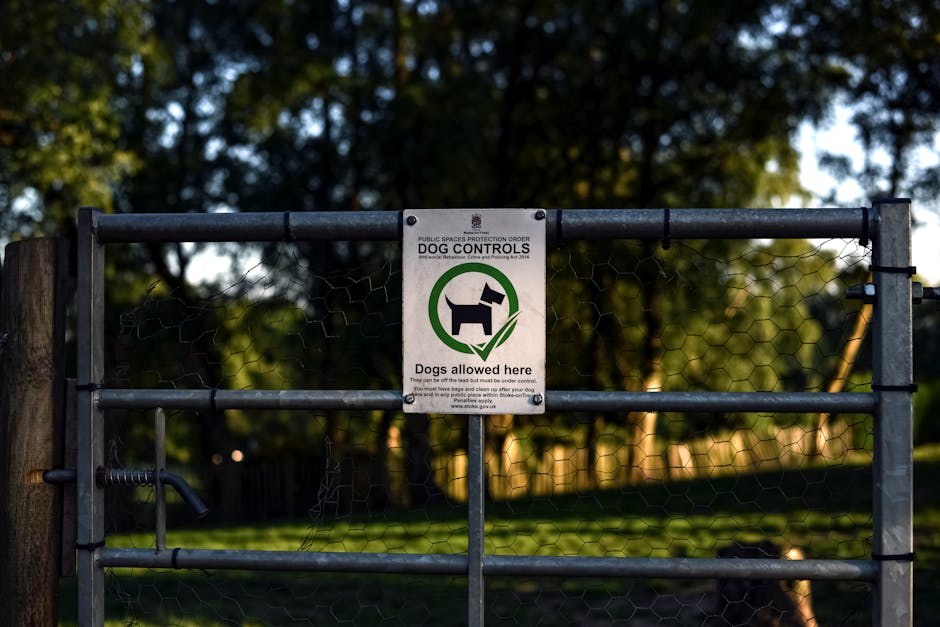
If you garden in Purley, there is a good chance you have already run into one of those small but annoying local issues: where to put the cuttings, whether that hedge can be trimmed back now, how late you can run the mower, or what to do when a tree looks a bit too close to the fence line. The Croydon Council rules gardeners need to know in Purley are not just admin in the background. They affect how work is planned, how waste is removed, and whether a job stays smooth or turns into a headache.
This guide breaks it down in plain English. You will get the practical rules that matter most, how they affect everyday garden work, the mistakes people make, and the sensible way to stay on the right side of local expectations without making the process more complicated than it needs to be. Truth be told, a little preparation saves a lot of awkward conversations later.
Why Croydon Council rules gardeners need to know in Purley matters
Gardeners in Purley work in a built-up part of south London where homes sit close together, access can be tight, and neighbours will notice sound, waste, and overspill almost immediately. That means a simple job can become messy if local expectations are ignored. A pile of clippings left in the wrong place, branches blocking a pavement, or work that starts too early can cause avoidable friction very quickly.
There is another layer too. Croydon Council rules and local requirements are not just about council officers and formal notices. They also shape everyday good practice: how waste should be handled, what may need permission, when tree work becomes sensitive, and what counts as reasonable care around pavements, driveways, shared boundaries, and access routes. If you are maintaining a small front garden or managing a larger overgrown back garden, the same principle applies: plan first, cut second.
It matters because the best gardening work is usually the least disruptive. You want the lawn neat, the hedge tidy, the path clear, and no one grumbling because leaves ended up in next door's drive. Small detail, big difference.
If you are arranging wider garden work, it can help to look at the scope of services first. A clear overview such as the one on services overview makes it easier to match the job to the right approach, especially when maintenance and clearance need to be balanced carefully.
How the rules work in practice
Most garden work in Purley does not require formal permission, but several common situations trigger extra care. Think of it as a set of practical guardrails rather than a long list of obstacles. The key areas are waste, trees, hedges, access, noise, and neighbour impact. Miss one of those and even a tidy-looking job can become a problem.
1. Garden waste and disposal
When you prune shrubs, clear beds, or mow a lawn, the offcuts do not magically disappear. They need to be stored, transported, and disposed of properly. In practice, that means separating green waste from general rubbish where possible, avoiding fly-tipping, and making sure bags or loads do not spill onto public land. This is especially important on narrow residential streets where a skipped bin collection or an untidy pile can cause complaints fast.
For bigger jobs, a planned clearance can be safer and cleaner than trying to move everything in one frantic afternoon. If you are dealing with brambles, old turf, broken pots, and heavy clippings all at once, a service such as garden clearance may be the more practical route.
2. Trees, trunks, and overhanging branches
Trees are where many gardeners become cautious, and for good reason. Some trees may be protected, some work may affect neighbours, and some jobs are simply unsafe without the right equipment and judgement. If a tree is large, close to structures, or overhanging a highway or boundary, it deserves a careful look before anyone starts cutting.
There is a simple rule of thumb here: if it is more than a basic trim, assume it needs checking. The safer path is usually to assess first and cut later, not the other way round. For complex cases, a specialist tree service is the right move, and a dedicated page such as tree lopping and removal helps explain what is involved.
3. Hedges and boundary lines
Hedges seem harmless until one starts blocking light, leaning over a path, or creeping across a boundary. Then everyone has an opinion. In a place like Purley, where front gardens often sit close to pavement edges, hedge work needs to be neat, cautious, and respectful of adjacent property. Trim too aggressively and you can damage the plant. Trim too lightly and the hedge keeps growing into the same problem.
Careful hedge work is part art, part judgement. A good hedge trimming approach keeps growth healthy, improves visibility, and avoids that scruffy, hacked-back look that never really recovers for months. You know the one.
4. Access, pavements, and parking
Gardeners often focus on the plant work and forget the logistics. But where will the van sit? Can equipment be carried safely from road to garden? Is there enough room for bags, chipper tools, or wheelbarrows without blocking foot traffic? In tighter streets, these details matter almost as much as the cutting itself.
Good planning reduces the chance of complaints and makes the job run more smoothly. That means protecting surfaces, keeping tools contained, and avoiding unnecessary obstruction of pavements or shared entrances.
5. Noise and working hours
Even a small mower sounds much louder when it bounces between houses on a calm morning. Noise-sensitive work, especially during early or late periods, should be timed sensibly. There is no magic trick here: the quieter and more considerate the schedule, the easier life tends to be for everyone around you.
In practical terms, this means using the noisiest tools when they will cause the least disruption, and keeping shorter, quieter tasks separate where possible. It is a small thing, but it tends to stop trouble before it starts.
Key benefits and practical advantages
Following local rules and accepted standards is not just about avoiding complaints. It makes the whole job better. The garden usually ends up tidier, the work takes less time to resolve, and the result feels more professional. A few benefits stand out immediately.
- Fewer delays: when you check the likely restrictions first, you avoid stopping halfway through a job to deal with an issue that could have been spotted earlier.
- Cleaner presentation: proper waste handling and careful edging make the garden look finished rather than just cut down.
- Less neighbour conflict: considerate working hours, tidy boundaries, and clear access reduce tension.
- Better plant health: sensible pruning and hedge trimming are far better than severe, rushed cutting.
- Safer working: knowing when to stop and assess a tree, slope, or obstacle reduces avoidable accidents.
There is also a quieter benefit that people often underestimate: confidence. When you know what needs checking, you stop second-guessing every task. That alone makes garden work feel a lot less stressful.
Who this is for and when it makes sense
This is relevant to more people than you might think. Homeowners with modest front gardens, landlords preparing a property, busy families trying to keep on top of seasonal growth, and anyone hiring help for a larger outdoor space all face the same basic local issues.
It makes particular sense if you:
- have mature trees or tall hedges near a boundary;
- need regular garden maintenance in a residential street;
- are clearing an overgrown garden before selling or letting a property;
- share access, parking, or a boundary with neighbours;
- want to keep noise, mess, and disruption low;
- need confidence that the work is being handled sensibly and safely.
If you are unsure how much work the garden actually needs, a lighter maintenance visit can be a useful first step. A service like garden maintenance is often the sensible middle ground between doing nothing and launching into a full clearance.
Sometimes the answer is simple: you need regular mowing and a tidy-up. Other times the job has become one of those "well, it looked manageable until we started" situations. Happens more than people admit.
Step-by-step guidance
Here is a practical way to handle garden work in Purley without getting caught out by the usual local issues.
- Walk the site slowly before you start. Check where the hedge meets a fence, where roots may be exposed, whether branches overhang a neighbour's boundary, and how waste will leave the property.
- Separate routine work from sensitive work. Mowing, light weeding, and deadheading are straightforward. Tree work, heavy reductions, or anything near a public footpath should be treated more carefully.
- Identify disposal needs early. If the job will create more than a few bags of green waste, plan the removal method in advance so nothing gets dumped in the driveway and forgotten until dusk.
- Protect shared areas. Put down covers where needed, keep driveways usable, and leave access clear. It avoids that awkward moment when someone needs to get past and cannot.
- Work in the least disruptive order. Cut the noisy stuff first if it helps, then finish with the detail work. Or if the morning is quiet and neighbours are outside, save the loud equipment for later. Read the room, basically.
- Check whether specialist help is needed. If a tree is too large, the hedge is beyond normal reach, or the clearance is bigger than a standard tidy-up, choose the right service instead of forcing it.
- Leave the site cleaner than you found it. The best local gardening work ends with clear edges, removed waste, and no stray debris in the road.
If you are planning a heavier clean-up, comparing garden clearance with ongoing maintenance can save time and money. The right choice is rarely the flashiest one. It is usually the one that fits the garden's actual condition.
Expert tips for better results
Experienced gardeners do not just cut well. They sequence work well. That sounds a bit dull, maybe, but it is the difference between a smooth afternoon and a chaotic one.
- Trim hedges in manageable passes. Taking off a little at a time creates a cleaner finish and reduces plant stress.
- Handle trees with a pause first. Stand back and look at shape, load, and nearby structures before touching the saw or loppers.
- Think in waste volumes, not just visible mess. A small pile can expand quickly once it is cut down and bagged.
- Keep wet material separate where possible. Damp clippings are heavier and harder to move, and they can make paths slippy too.
- Use a tidy finish as your quality check. Straight edges, removed offcuts, and swept paths say more than a long explanation ever will.
One of the best habits is simply to slow down at the decision points. Not every branch needs cutting. Not every overgrown area needs a chainsaw. Sometimes the smart move is a clean, measured trim and a plan for next month.
If you are curious about how a professional approach is organised, the broader information on services overview helps frame what different types of garden work usually involve.
Common mistakes to avoid
Most problems in local garden work are predictable. That is the annoying part. The good news is they are also avoidable.
- Starting work before checking the boundaries: a branch that seems "obviously yours" may not be quite so obvious once it crosses a fence line.
- Overcutting hedges: a severe cut can leave the hedge thin and patchy for a long time.
- Leaving waste in the wrong place: stacks of cuttings on pavements or shared access areas create complaints quickly.
- Ignoring access constraints: if the equipment cannot move safely, the job will feel ten times harder.
- Assuming every tree is fair game: bigger trees and sensitive locations deserve caution and, where necessary, specialist input.
- Forgetting the neighbour factor: loud work, smell from rotting waste, or a messy boundary can sour relations for weeks.
There is also a subtler mistake: trying to finish too quickly. In garden work, speed without judgement often costs more later. A quick cut is great if it is the right cut. If not, well, it becomes a story people tell in the street.
Tools, resources and recommendations
You do not need a van full of specialist kit for every job, but the right tools and a sensible process make a massive difference. For routine garden care, the basics still matter most: mower, shears, loppers, rake, gloves, and proper bags or containers for waste. For larger jobs, add protective coverings, stronger cutting tools, and a realistic way to remove debris safely.
Recommended practical resources include:
- Service planning notes: a simple checklist of what needs mowing, trimming, clearing, or removal.
- Waste separation bags or containers: useful for keeping green waste distinct from mixed rubbish.
- Boundary markers or a quick visual survey: helps avoid accidental overreach near fences and walls.
- Seasonal maintenance schedule: keeps hedge trimming and lawn care under control before growth gets out of hand.
- Provider information: if you want professional help, review pages like lawn mowing and hedge trimming to understand the kind of regular care that keeps a garden tidy.
If sustainability matters to you, think about how the waste is being handled. A sensible approach to reuse, recycling, and responsible disposal is covered on recycling and sustainability, which is a useful reminder that garden work should not create more mess than it removes.
Law, compliance, standards, or best practice
Gardeners in Purley should be aware that compliance is not only about one single rule. It is a mix of local expectations, land ownership boundaries, safety obligations, and accepted working practice. Some matters may involve protected trees, boundary disputes, wildlife considerations, or safe handling of equipment. Others are simpler, like not blocking a pavement or leaving a trail of clippings where people walk.
Where the situation is straightforward, best practice is usually enough: keep work tidy, keep access clear, and avoid unnecessary disruption. Where it is less straightforward, slow down and check before cutting. That is especially true with mature trees, thick hedges, or anything near public land.
It is also wise to think about insurance and safe working practice when hiring help. Reputable gardeners should be able to discuss risk management, access issues, and sensible working methods in plain language. No jargon contest needed. If you want to see how a provider frames these responsibilities, their insurance and safety information can be a useful indicator of how seriously they take the work.
For any business handling the job, written terms and a clear complaints route are also part of good practice. They do not make the gardening better on their own, of course, but they do help set expectations properly, which is half the battle. You can review those details in the site's terms and conditions and complaints procedure.
Options, methods, or comparison table
One of the most useful decisions is whether the garden needs routine maintenance, a targeted tidy-up, or a full clearance. Each option serves a different purpose.
| Method | Best for | Typical benefits | Watch out for |
|---|---|---|---|
| Routine garden maintenance | Ongoing care, mowing, light pruning, general tidying | Keeps growth under control, less disruptive, easier to budget for | May not be enough if the garden is heavily overgrown |
| Targeted hedge or lawn work | Specific problem areas or seasonal refreshes | Focused results, neat finish, simple planning | Needs care around boundaries and waste volume |
| Full garden clearance | Overgrown, neglected, or property-preparation jobs | Fast reset, removes clutter, creates a blank slate | More waste, more access planning, often more time-sensitive |
| Tree lopping or removal | Large trees, safety concerns, obstructions, or storm damage | Improves safety and space, handles higher-risk work properly | Should be checked carefully before work begins |
As a rule, if the garden is fairly healthy but untidy, maintenance is usually the cleanest option. If you are looking at tangled growth, debris, and old waste, clearance may be more sensible. And if trees are the issue, do not pretend they are just "a bit of pruning." They usually are not.
Case study or real-world example
A Purley homeowner called about a rear garden that had not been properly touched for months. The lawn was patchy, the hedge had pushed into the neighbour's side, and there were bags of mixed waste left by the shed. Nothing dramatic, just a classic small-garden problem that had snowballed slowly. The first thing done was a walk-through rather than a cut. That sounds obvious, but it matters.
The garden was split into three parts: a routine clean-up area, a hedge section that needed careful reshaping, and a waste-heavy corner that required proper clearance. The hedge was trimmed in stages, not hacked all at once. The waste was separated, loaded out neatly, and the access route kept clear throughout. It took longer than a rushed visit would have, but the finish was far better and nobody ended up annoyed by debris on the path. Simple, really.
That kind of job is where local rules and good judgement overlap. The work stays neat, the neighbours stay calmer, and the homeowner gets a garden that feels manageable again rather than slightly embarrassing every time they open the back door.
Practical checklist
Use this quick checklist before any gardening job in Purley. It is not fancy, but it is useful.
- Check boundaries, fences, and overhanging growth before cutting.
- Decide whether the job is maintenance, clearance, or specialist tree work.
- Plan where garden waste will go and how it will be removed.
- Make sure access routes, pavements, and driveways stay clear.
- Use quieter, less disruptive timing where possible.
- Protect shared surfaces and nearby property.
- Trim hedges and shrubs in stages if they are dense or woody.
- Pause and assess trees before carrying out any major cut.
- Leave the site swept, tidy, and free from stray debris.
- Keep a note of anything that may need follow-up later in the season.
That last point is underrated. A short note about what was done and what still needs attention can save a surprising amount of confusion later on.
Get a free quote today and see how much you can save.
Conclusion
The Croydon Council rules gardeners need to know in Purley are really about working considerately, safely, and with a bit of local sense. Most of the time, the right approach is straightforward: respect boundaries, manage waste properly, keep access clear, and be careful with anything large, overgrown, or potentially protected. Do that well and the garden looks better, the job runs smoother, and everyone involved has an easier day.
That is the quiet goal, really. Not just a tidy garden, but a tidy process. And in a busy place like Purley, that goes a long way.
If you want a practical next step, start with the type of work your garden actually needs, then choose the right level of care from there. It is often the calm, careful choice that gives the best finish.
Frequently Asked Questions
Do I need permission for basic garden maintenance in Purley?
Usually not for routine tasks like mowing, weeding, and light pruning. The issues tend to arise when work affects trees, boundaries, access, or larger amounts of waste.
What should I do with garden waste after a clear-out?
Keep green waste separate where practical, avoid leaving it on pavements or shared areas, and arrange proper removal. A planned clearance is often better than piling everything up and hoping for the best.
Can I trim a hedge that overhangs my side of the boundary?
Generally, boundary work should be handled carefully. If a hedge crosses into your space, trim only what you are entitled to and avoid damaging the plant or crossing into another property without agreement.
Are there special rules for trees near my house?
Yes, trees need extra caution. Size, location, potential protection, and proximity to structures all matter. If a tree looks large or complicated, it is wiser to assess it before cutting.
What is the difference between garden maintenance and garden clearance?
Maintenance is regular care such as mowing, hedge trimming, and tidying. Clearance is for heavier jobs, often involving overgrowth, clutter, dead plants, and larger waste removal.
How do I avoid upsetting neighbours during garden work?
Keep work tidy, avoid early noise where possible, manage waste properly, and do not block shared access. A small bit of consideration goes a long way, honestly.
What if my garden has become badly overgrown?
Start with an assessment rather than cutting everything at once. In many cases, a staged clearance followed by regular maintenance is safer and produces a better result than one big rushed job.
Is it safe to do tree work myself?
Only for minor, manageable tasks. Anything tall, unstable, close to buildings, or involving heavy branches is better left to a trained specialist with proper equipment and planning.
Do I need to think about access and parking for a garden job?
Absolutely. In Purley's tighter streets, access can shape the whole job. If vans, tools, or waste bags cannot move safely, the work becomes slower and less tidy.
How often should a typical Purley garden be maintained?
It depends on the size of the garden, the season, and how fast things grow. Many gardens benefit from regular visits, especially during the faster-growing months, to stop the work building up.
What is the smartest first step if I am unsure what my garden needs?
Walk the garden slowly and separate routine tasks from bigger issues. If you are still unsure, compare maintenance against clearance and decide based on how much growth, waste, and boundary work is involved.
Where can I learn more about the services available?
A helpful starting point is the services overview, which gives a clearer picture of how different kinds of garden work fit together.