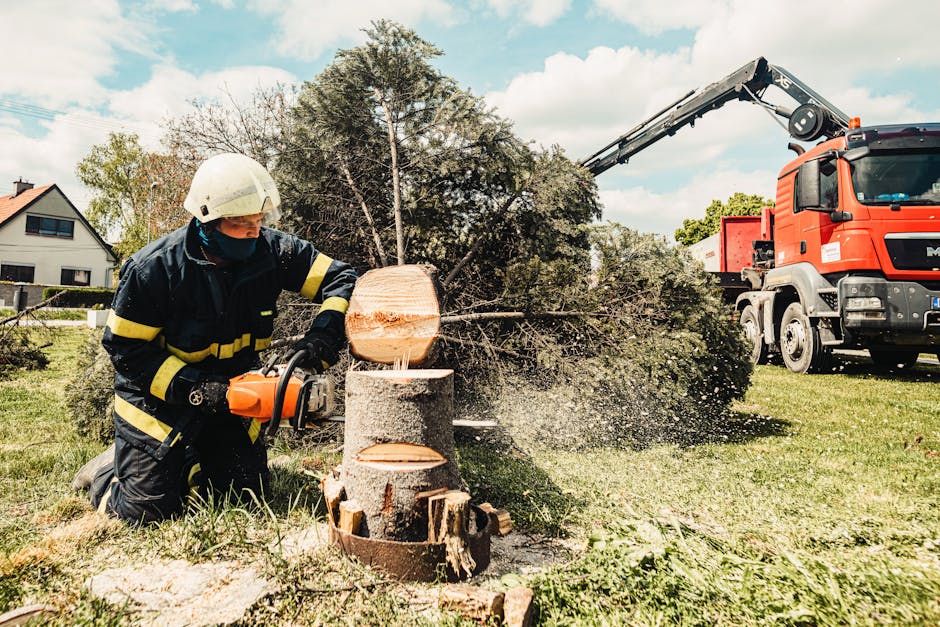
Purley Station garden care emergency clearance service: fast, practical help when a garden cannot wait
If a garden has tipped from "a bit untidy" into "this needs sorting today", you are not alone. Fallen branches after a windy night, overgrown access paths, bramble-filled corners, fly-tipped waste, or a tenancy handover that suddenly moved up - these problems have a habit of arriving at the worst possible moment. A Purley Station garden care emergency clearance service is designed for exactly that kind of pressure: quick, organised, safety-first help to make a space usable again without the chaos dragging on.
This guide explains what emergency garden clearance really means, how it works in practice, who benefits most, and what to look for before you book. It also covers the sensible bits people often skip, like waste handling, safety, and what can be done in one visit versus what needs a follow-up. In other words, the useful stuff.
For a broader look at the full range of local help available, you can also explore the services overview and the specialist garden clearance service page.
Table of Contents
- Why Purley Station garden care emergency clearance service Matters
- How Purley Station garden care emergency clearance service Works
- Key Benefits and Practical Advantages
- Who This Is For and When It Makes Sense
- Step-by-Step Guidance
- Expert Tips for Better Results
- Common Mistakes to Avoid
- Tools, Resources and Recommendations
- Law, Compliance, Standards, or Best Practice
- Options, Methods, or Comparison Table
- Case Study or Real-World Example
- Practical Checklist
- Conclusion
- Frequently Asked Questions
Why Purley Station garden care emergency clearance service Matters
Emergency clearance matters because neglected garden debris rarely stays a simple tidy-up job. A pile of wet leaves becomes a slippery path. A broken branch can shift and cause damage. Dense growth can hide trip hazards, sharp objects, or even pests. And if a property is being prepared for visitors, tenants, or sale, a messy outdoor space can undermine the whole presentation in minutes.
Near Purley Station, where access can be tight and schedules are often unpredictable, speed matters just as much as neatness. You may have a commuter property, a rental that needs attention before checkout, or a home where the back garden has become unusable after a storm. The point is not just to make it look better. It is to make it safe, accessible, and manageable again.
There is also a real practical cost to delay. A small branch dropped by wind can block a gate. A blocked side return can stop bins being moved. An overgrown hedge can make it awkward to see whether fencing, paving, or decking has been damaged underneath. If you need a fuller tidy rather than a one-off rescue, the garden maintenance service can be a sensible next step after the emergency work is done.
Expert summary: emergency garden clearance is less about "neatening up" and more about restoring control. The best jobs are fast, safe, and deliberate, with waste removed properly and the space left ready for whatever happens next.
How Purley Station garden care emergency clearance service Works
Most emergency clearances follow a fairly simple pattern, though the exact detail depends on the size of the job and how urgent it is. To be fair, the process is usually more orderly than people expect. Even when the garden looks like a small disaster zone, a good team will break it into clear stages.
1. Initial assessment
The first step is identifying what needs removing, what needs cutting back, and what is unsafe to touch. That could include fallen branches, overgrown brambles, snapped panels, bagged waste, broken pots, or general debris after a bad weather event. If there are trees involved, or anything that looks structurally unstable, a specialist look may be needed before work starts. In those cases, tree lopping and removal may be the better route.
2. Safety prioritisation
Emergency work is not about hacking everything down at once. It is usually about removing the immediate hazard first. That might mean clearing access routes, making a path safe, removing loose material, and dealing with anything that could fall or trip someone. If there is decking nearby, a quick check around it can also prevent hidden debris from causing slips; the decking services page is useful if the structure itself needs more than a surface clean.
3. Cut, collect, and sort
Once the space is safe to work in, the team clears the material systematically. Green waste is separated from general rubbish where possible, and larger items are handled so they do not cause extra damage while being moved. A proper clearance should leave fewer loose ends, not more.
4. Removal and tidy finish
Waste is taken away, the site is raked or swept down, and the garden is left in a workable condition. Sometimes that means a full reset. Other times it means a controlled "stop the bleeding" approach so the property can function today, with follow-up work planned later. That is often the most realistic outcome, and honestly, the most useful one.
5. Follow-up recommendations
After the urgent work, a sensible provider will normally suggest what to do next. That may be hedge trimming, a lawn cut, or a longer-term tidy plan to stop the same issue happening again. If the whole outdoor space has become tangled, a combination of hedge trimming and lawn mowing can help settle it back down.
Key Benefits and Practical Advantages
The obvious benefit is speed. But the real value runs deeper than that. A proper emergency clearance brings back order, and when a space is causing stress, that matters more than people sometimes admit.
- Fast access restoration: paths, gates, patios, and side passages become usable again.
- Reduced risk: loose branches, hidden debris, and slippery growth are removed before they cause trouble.
- Less stress: you stop worrying about what might get worse overnight.
- Better presentation: useful for landlords, tenants, homeowners, and property managers.
- Cleaner handover: ideal before inspections, valuations, or move-out dates.
- More efficient follow-up work: once the emergency is handled, longer-term maintenance becomes simpler.
One thing people often notice after a clearance is how much bigger the garden feels. Light comes back in. You can see the layout again. The air smells fresher too, especially after wet growth has been cut back and moved off-site. Small thing, but it changes how the place feels.
If you care about where the waste ends up, it is worth looking at the company's approach to recycling and sustainability. That is especially relevant when the job produces a lot of green waste mixed with general rubbish.
Who This Is For and When It Makes Sense
Not every overgrown garden needs emergency clearance. Sometimes a booked maintenance visit is enough. But certain situations call for the quicker, more decisive route.
Good candidates for emergency clearance include:
- homeowners dealing with storm damage or windblown debris
- landlords preparing for a tenant move-in or move-out
- letting agents needing a quick turn-around between occupancy dates
- older residents who cannot safely tackle heavy waste themselves
- busy households where the garden has become blocked or unusable
- properties with access issues caused by overgrowth or dumped waste
- people recovering from a disruption who simply need the outside space put right quickly
There are also times when emergency clearance is the calm, practical choice rather than the dramatic one. Maybe the fence has come down a bit and the debris is everywhere. Maybe the front garden has turned into a tangle that makes the house look neglected. Or maybe the back gate barely opens because the hedge has taken over. It happens. More often than you'd think, actually.
For those who want a broader property refresh after the immediate clear-out, landscaping and landscape gardening can be considered once the urgent pressure is off.
Step-by-Step Guidance
If you are booking or planning a Purley Station garden care emergency clearance service, this is the simplest way to approach it without overcomplicating things.
- Walk the garden safely. Do a quick visual check from a distance first. Look for fallen branches, collapsed structures, broken glass, exposed nails, or anything that seems unstable.
- Separate "urgent" from "important". Emergency work should focus on hazard removal, access, and basic usability. Leave the perfectionist bits for later.
- Photograph the issue. This can help if you are a landlord, agent, or tenant documenting the condition before work starts. Handy, and a bit boring, but useful.
- Clear access to the main problem area. If possible, remove any small portable items from the immediate work zone. Plant pots, toys, loose tools - all of it slows the job down.
- Ask about waste handling. Find out what will be taken away, what may be recycled, and whether there are items the team cannot remove without additional arrangements.
- Confirm the finish level. Some jobs end with a rough safe-and-clear finish. Others can include a more detailed tidy. Better to agree this early than assume.
- Plan the next visit. A one-off clear usually solves the emergency, but not the root cause. Follow up with maintenance, hedge work, or lawn care where needed.
A small note here: if there is any sign of a dangerous tree or major structural damage, do not try to wrestle with it yourself. That is the bit where "I'll just sort this in ten minutes" turns into a miserable afternoon. Sometimes common sense is the real specialist tool.
Expert Tips for Better Results
In our experience, the best emergency clearances are the ones where the customer gives a little context before the team arrives. Not a long essay. Just enough to avoid wasted time and missed hazards.
- Start with the access route. If the only way in is through a narrow side passage, say so. It changes how tools and waste bags are brought in and out.
- Flag hidden risks early. Old wire, broken trellis, sharp metal, or concealed rubble can slow down a job and create unnecessary risk.
- Be clear on what "urgent" means for you. For some people it is "make the front path safe today". For others it is "get the whole rear garden ready for tomorrow morning". Different priorities, different plan.
- Allow a little flexibility. The actual condition on site can be worse or better than expected. A good team will adjust without making a song and dance about it.
- Book maintenance soon after clearance. If you wait too long, the same mess tends to creep back. Gardening has a funny way of doing that.
Another useful tip: if the garden has a lot of leafy or woody waste, ask whether the team can deal with it alongside your routine upkeep. Pairing the urgent job with ongoing maintenance often saves time later, and it keeps the place from sliding back into a crisis.
For recurring upkeep, regular garden maintenance usually gives the best long-term value. For taller growth that is starting to encroach on paths or boundaries, hedge work can be the next sensible step.
Common Mistakes to Avoid
Emergency clearance becomes more stressful when people assume it is just a bigger version of a tidy-up. It is not. A few common mistakes make the job slower, riskier, or more expensive than it needs to be.
- Waiting too long. The longer debris stays in place, the more it spreads, compresses, or becomes damp and awkward to move.
- Trying to clear unstable material without support. If branches are tangled or leaning, leave them alone until they have been assessed.
- Mixing up waste types. Green waste, general rubbish, and contaminated materials should not all be handled the same way.
- Expecting perfection from an urgent visit. Emergency work aims to restore safety and function first.
- Forgetting about hidden surfaces. Under growth you may find cracked paving, rotten timber, or uneven steps. That does not mean the job failed; it means the garden was hiding things.
- Skipping follow-up care. A cleared garden without a next step often reverts quickly, especially in wet weather.
It is also easy to underestimate how much material is involved. A garden that looks like "just a few bags" can produce a surprising amount once the cuttings are gathered properly. By the second load, people usually stop saying "it can't be that much".
Tools, Resources and Recommendations
A proper emergency clearance does not depend on fancy kit. It depends on the right tools, the right order of work, and a sensible approach to risk. That said, certain equipment and service pages are relevant if you are planning the job properly.
| Need | Typical approach | Why it helps |
|---|---|---|
| Hazard removal | Hand tools, cutters, pruning equipment, secure bags | Lets the team remove unstable or bulky debris safely |
| Overgrown edges | Targeted trimming and reduction | Reopens paths and boundary lines quickly |
| Large green waste | Collection, sorting, and off-site removal | Prevents piles from lingering after the clear |
| Lawn recovery | Cutting, edging, and follow-up care | Stops the garden from looking half-finished |
| Structural issues | Specialist inspection and repair planning | Ensures the team does not work beyond safe limits |
Useful service pages to keep in mind include lawn mowing for grass that has got out of hand, and hedge trimming where overgrowth is causing access or privacy issues. If you are comparing how a provider handles costs and estimates, the pricing and quotes page is worth a look.
And yes, if you need to speak to the team directly about a difficult access job, the contact page is the obvious place to start. Sometimes a two-minute description saves half an hour of back-and-forth.
Law, Compliance, Standards, or Best Practice
Emergency garden clearance is not just a practical service; it also has to be handled responsibly. In the UK, garden waste and mixed rubbish should be managed carefully, and anyone carrying out clearance work should follow sound health and safety practice. You do not need a lecture on regulations to know this, but you do need confidence that the job will be handled properly.
Best practice usually includes:
- working safely around unstable branches, sharp objects, and uneven ground
- separating waste where practical so recyclable green material is not treated like general rubbish
- protecting access routes and avoiding damage to paths, gates, fences, or nearby hard landscaping
- stopping work if conditions are unsafe, especially in high winds or poor visibility
- using proper lifting methods for heavy or awkward loads
If you are comparing providers, it is sensible to look for clear information about insurance and safety and the company's published health and safety policy. That is not paperwork for the sake of it. It tells you whether the business takes risk seriously.
You may also want to understand how the company deals with complaints, payment security, and privacy. Those details are not exciting, granted, but they matter when you are letting someone work on your property and handle your information. The relevant pages are complaints procedure, payment and security, and privacy policy.
Options, Methods, or Comparison Table
Not every outdoor problem calls for the same solution. Sometimes a fast emergency clearance is enough. Sometimes you need broader garden work. Here is a simple comparison to help you choose without overthinking it.
| Option | Best for | Typical outcome | When to choose it |
|---|---|---|---|
| Emergency clearance | Sudden hazards, blockages, urgent mess | Safe, usable space restored quickly | After storms, missed handovers, or access problems |
| Routine maintenance | Ongoing control of growth and tidiness | Garden stays manageable over time | When the space is not in crisis, but needs regular attention |
| Garden clearance | Heavier removal jobs or major reset work | Large volumes of waste removed | When the garden is very cluttered or overrun |
| Landscaping or redesign | Layout improvements and longer-term changes | Different structure and appearance | After the space is cleared and you want to improve how it functions |
One useful rule of thumb: if the priority is "make it safe and workable now", emergency clearance is the right starting point. If the priority is "improve the whole garden properly", you are probably moving into maintenance or landscaping territory. Sometimes both are needed, just not at the same moment.
Case Study or Real-World Example
Picture a typical late-autumn morning near Purley Station. The weather has been wet for days, and overnight wind has pushed branches down across a side return. The back gate is half blocked. Wet leaves have gathered in the corner, and the path has gone slick. A tenant is due later that afternoon, so there is a real deadline - not just a preference.
In a situation like that, the work would usually focus first on making the access safe: removing the fallen material, clearing the route to the gate, lifting heavy debris, and checking for hidden damage around fences or paving. Only after that would the team move on to the broader tidy-up. The aim is not to make the garden "perfect" in one go. The aim is to get it under control before the day gets away from you.
What usually surprises people is how quickly the space feels different once the main obstruction is gone. The air opens up. The path is visible again. The place no longer looks like a problem that needs constant mental energy. That shift matters. It sounds small, but it is not.
If the garden then needs a more complete reset, a follow-up clearance or a maintenance schedule can pick up the rest without pressure.
Practical Checklist
Use this checklist before booking or while preparing for an emergency visit. It keeps the job focused and avoids last-minute confusion.
- Identify the main hazard or blockage.
- Check whether the issue affects access, safety, or both.
- Move small loose items away from the work area.
- Take a few photos if you need a record for tenancy, management, or insurance purposes.
- Note any unstable branches, broken fencing, or hidden obstacles.
- Decide whether you need emergency clearance only or a wider tidy-up too.
- Ask about waste removal and recycling.
- Confirm whether the finish should be rough-safe or more detailed.
- Arrange follow-up maintenance if the garden is likely to deteriorate again quickly.
- Keep the contact details and service notes in one place so you are not searching around later. Annoyingly common problem, that one.
If you need ongoing support after the clearance, the broader services overview can help you decide which follow-up service fits best.
Get a free quote today and see how much you can save.
Conclusion
A Purley Station garden care emergency clearance service is about more than removing mess. It restores safety, access, and peace of mind at the moment you need it most. Whether you are dealing with storm debris, an overgrown rental, or a garden that has simply got away from you, the right response is calm, organised, and practical.
The best results usually come from clear priorities: deal with the hazard first, remove waste properly, and plan the next step before the garden slips back into chaos. Simple enough, but it works. And when the space is finally clear, even a small garden can feel like it belongs to you again.
If you are ready to move from stress to control, start with the pages that match your situation, ask the right questions, and get the work moving. A tidy garden is nice. A safe, usable one is better.
Frequently Asked Questions
What counts as an emergency garden clearance near Purley Station?
Anything that creates an immediate safety issue or blocks access can count as an emergency. That includes fallen branches, windblown debris, blocked paths, unsafe overgrowth, or a sudden clean-up needed before a move, inspection, or handover.
How fast can an emergency clearance usually happen?
That depends on the workload, access, and the size of the job. Some clearances are straightforward and can be turned around quickly, while others need more planning. The key is to explain the urgency clearly from the start.
Do I need to clear the garden before the team arrives?
Only light, movable items if it is safe to do so. You do not need to prepare the space perfectly. In fact, if something looks unstable or dangerous, leave it alone and mention it when you book.
What if the problem is a tree branch or damaged tree?
If the issue involves a tree, leaning limb, or anything that could fall, specialist attention may be needed. In those cases, tree-focused work is often more appropriate than a general tidy-up.
Can emergency clearance include grass cutting and hedge trimming too?
Yes, if those tasks are part of getting the garden back under control. A fast clearance may be followed by lawn mowing or hedge trimming, especially if growth is making the space feel closed in.
What happens to the waste after clearance?
Waste is usually collected and removed from site. Where practical, green waste can be separated from general rubbish. Good practice is to handle it responsibly rather than just dumping everything together and hoping for the best.
Is emergency garden clearance more expensive than regular maintenance?
It often can be, because urgent work usually involves faster response, heavier waste, and more complicated conditions. The exact price depends on access, volume, and the level of work needed, so it is best to ask for a tailored quote.
What should I ask before booking the service?
Ask what is included, how waste is removed, whether the team is insured, what the finish level will be, and whether follow-up work might be needed. Those answers tell you a lot about how the job will be handled.
Can the service help if my garden is overgrown and I have an inspection coming up?
Yes, that is one of the most common reasons people book a clearance. The aim is to make the property presentable and safe in time for the inspection, then plan longer-term maintenance later if needed.
How do I know whether I need clearance, maintenance, or landscaping?
If the garden is in immediate trouble, start with clearance. If it is manageable but needs routine attention, maintenance is usually the better fit. If you want to change the layout or improve how the space works, landscaping may be the next step.
Should I choose a full tidy-up or just the emergency essentials?
That depends on your deadline and budget. If you need the space safe today, focus on essentials. If you have a little more time and want a better finish, ask about adding trimming, mowing, or a broader tidy as part of the visit.
How can I stop the same problem happening again?
The simplest answer is regular follow-up care. A cleared garden is much easier to keep under control if you book maintenance, hedge trimming, or seasonal attention before growth and debris build up again.